Dental care is full of inaccuracies and myths that can make it difficult to determine the best way to actually care for your teeth. Our goal here is to discuss some of these misunderstandings and help provide quality, reliable information to help you take care of your mouth. Understanding contemporary dental health principles is essential for preventing gum disease, cavities, and other dental issues. By clearing these misconceptions, individuals can make informed decisions that positively impact their oral health and invest in quality dental service to create a balanced oral health routine.
Misconception 1: Brushing Harder Cleans Better
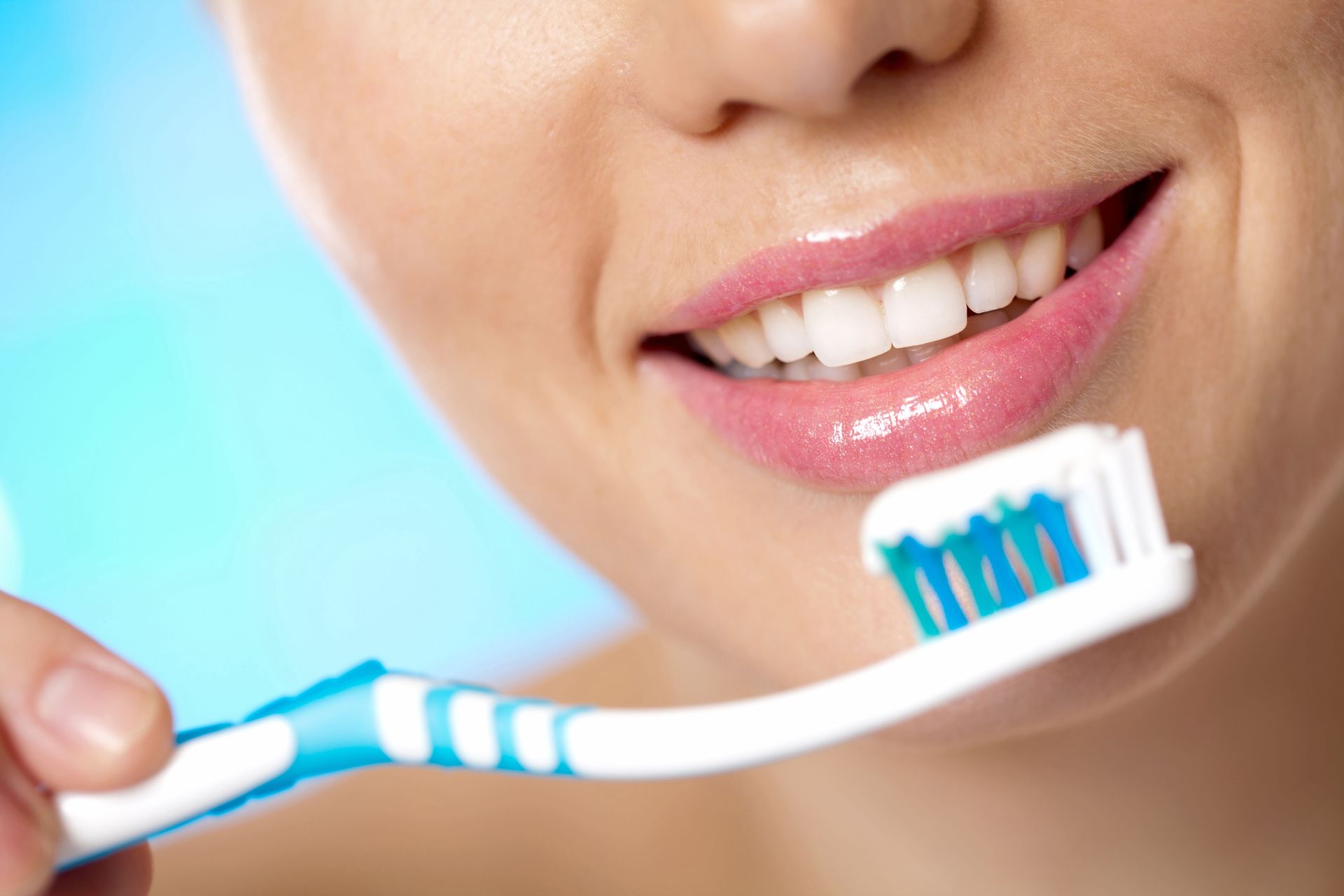
Many people believe that applying more pressure while brushing will lead to cleaner teeth. However, dental science reveals that plaque is a sticky film that soft brushing effectively dislodges. The bacteria in plaque can be easily disrupted with gentle brushing using the correct technique. Over time, hard brushing does not enhance plaque removal but instead leads to potential harm. The focus should be on the duration and thoroughness of brushing rather than the force applied.
Brushing too hard can result in enamel abrasion, which weakens the tooth's protective outer layer. This can lead to increased sensitivity to temperature changes and potential cavities. Furthermore, aggressive brushing can cause gum recession, leading to exposed roots and potential periodontal problems. It's a misconception that more pressure equates to better cleaning; in fact, it often leads to long-term dental damage. Dentists recommend using a soft-bristled brush for optimal results without harm.
Dentists universally advocate for gentle brushing techniques to maintain tooth integrity and gum health. It's a good idea to recommend in regular dental service like frequent checkups to help monitor for any signs of overbrushing, which can be adjusted with professional guidance. Dentists also recommend changing toothbrushes every three months or when bristles become frayed. According to Forbes, a 2024 survey revealed that 38% of respondents are at least somewhat scared of the dentist, underscoring the importance of proper home care to alleviate dental visits. Professional advice is indispensable in establishing a favorable home care routine.
Misconception 2: Sugar is the Only Culprit of Cavities
While sugar is indeed a significant factor in cavity formation, it's not the sole cause. Oral bacteria consume sugars, producing acids that erode enamel and cause cavities. It's the acid produced by these bacteria, rather than the sugar itself, that directly causes decay. Understanding this relationship helps in choosing foods and practices that minimize cavity risk. Controlling bacterial growth through regular cleaning disrupts acid production, protecting the teeth.
Acidic foods and drinks also contribute to the creation of an unfriendly environment for teeth. Foods like citrus fruits and sodas can increase acidity in the mouth, leading to enamel erosion. A balanced diet rich in calcium and phosphates can help restore enamel and neutralize acids. Consuming a variety of foods supports saliva production, which is crucial for protecting teeth from acid damage. Diet choices should thus consider both sugar content and overall acidity impact on oral health.
No matter the diet, poor oral hygiene will result in teeth problems that may require dental service. Thorough brushing and flossing disrupt bacterial colonies, reducing acid attacks on teeth. Regular dental cleanings provide a deeper cleaning than possible at home, further protecting against cavities. Even with healthy diets, inadequate oral hygiene will result in bacterial growth and potential decay. Consistent hygiene practices are as important as dietary choices in preventing cavities.
Saliva plays a vital role in neutralizing acids and providing essential minerals to the teeth. Proper hydration supports saliva production, essential for its protective role. Certain foods and ingredients, like sugar-free gum, can stimulate saliva flow, further protecting teeth. Conditions that reduce saliva production, such as dry mouth, increase cavity risk, necessitating targeted interventions. Supporting natural saliva production is a significant aspect of cavity prevention.
Comprehensive oral hygiene, including routine dental visits, is crucial for preventing cavities. Fluoride-based products can provide additional protection by strengthening enamel against acids. Limiting frequent snacking allows saliva to neutralize acids between meals, reducing cavity risks. Dental education enhances understanding and adherence to preventive practices. By adopting these measures, individuals can significantly reduce their risk of cavities and related complications.
Misconception 3: Only Sugary Drinks are Harmful
Many people believe only sugary drinks harm teeth, but acidity is just as detrimental. Acids in drinks, such as citrus juices, can erode enamel even without sugar. Sugar-free sodas can still have low pH levels, contributing to tooth decay. Being mindful of both sugar and acidity is essential in preventing dental erosion. Understanding the acidity levels in drinks can aid in making better choices that protect enamel.
Carbonated drinks, even when sugar-free, pose a risk due to their acidic nature. Carbonation increases acidity, which can lead to the demineralization of teeth. The role of carbonation in dental health is often underestimated, with many focusing solely on sugar content. Avoiding excessive consumption and following with water can help mitigate this damage. Awareness of carbonation's impact supports better choices for dental health.
Misconception 4: Chewing Gum Replaces Brushing
Sugarless gum offers benefits such as freshening breath and stimulating saliva. The act of chewing increases saliva production, which aids in cleaning the mouth and neutralizing acids. Gums containing xylitol may help reduce bacteria levels, contributing to oral health. Despite these benefits, gum should complement, not replace, brushing and flossing. It's a helpful tool in maintaining dental hygiene but not a comprehensive solution.
Chewing gum cannot remove plaque as effectively as a toothbrush and floss. It briefly masks odors and provides transient freshness, lacking the cleansing action of brushing. Gum fails to reach between teeth, where plaque can accumulate if not cleaned properly. Depending solely on gum may allow oral hygiene to deteriorate over time. Proper understanding of gum's role helps maintain balanced dental care routines.
Xylitol, a common ingredient in sugarless gum, is seen as beneficial in reducing harmful bacteria. While beneficial, xylitol isn't a substitute for comprehensive oral hygiene practices and regular dental service. The use of such ingredients can aid oral health but cannot provide the full benefits of traditional dental practices. Relying on gum alone perpetuates the misconception that it's sufficient for dental care. Implementing a balanced approach ensures optimal oral health benefits.
Misconception 5: Dental Visits Are Only Necessary When Problems Arise
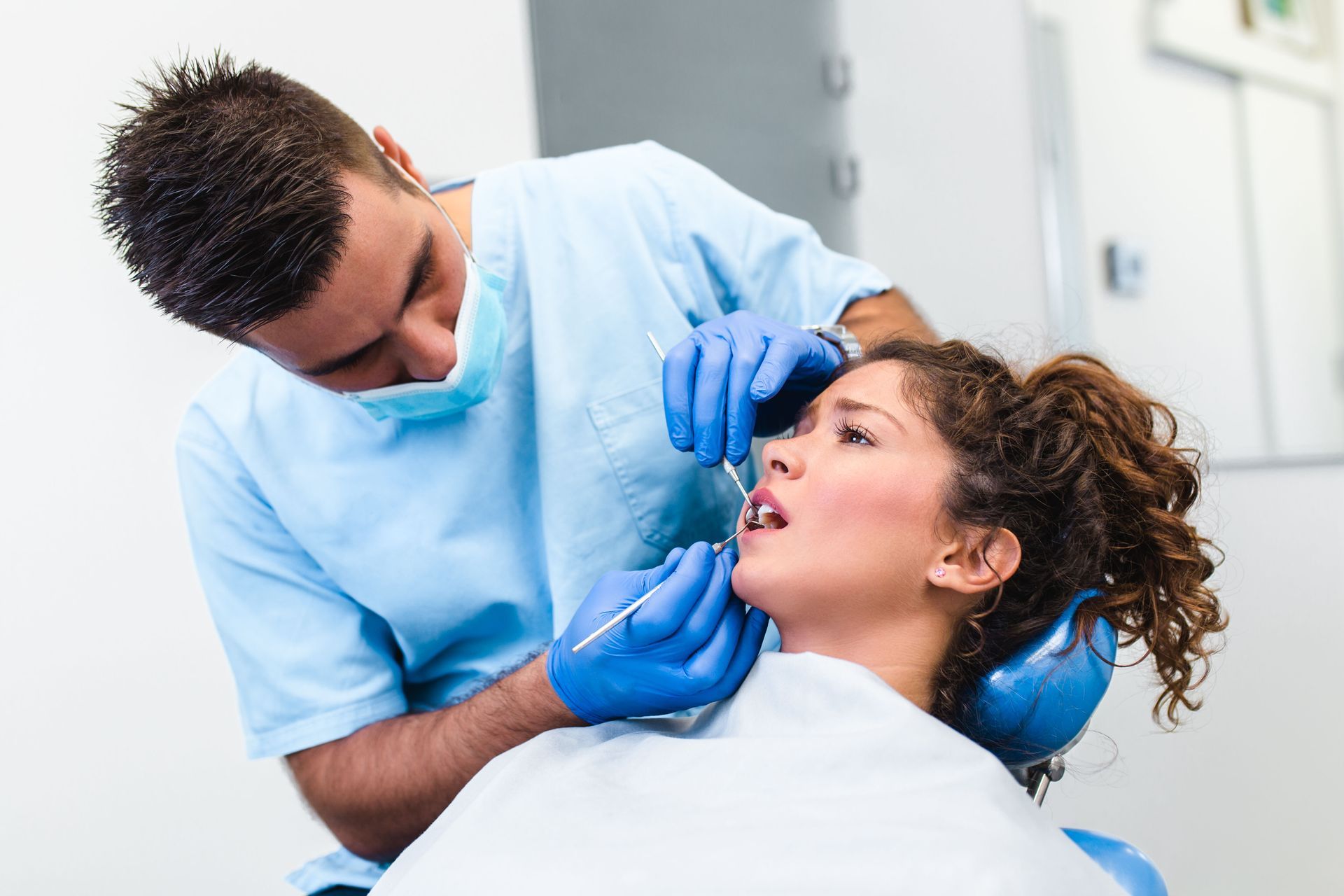
Many people avoid the dentist unless experiencing pain or dental issues. Routine check-ups, however, help prevent problems and catch early signs of dental disease. Early detection during check-ups can save time, pain, and expense in the long term. Regular visits also offer opportunities for professional cleaning and advice. Routine dental care is thus crucial for maintaining ongoing oral health.
Dental check-ups involve more than just checking for cavities; they assess overall oral health. Screenings can identify early signs of oral cancer, gum disease, and other potential issues. X-rays may be used to monitor tooth development and bone health, preventing future complications. These comprehensive checks maintain oral health and contribute to overall well-being. Regular screenings thus play a vital role in full systemic health.
Avoiding dental visits can lead to worsened conditions and increased treatment costs. Early interventions typically lead to less invasive and less expensive solutions. Health repercussions of delaying care can extend beyond teeth, impacting overall health such as heart disease. Financially and medically, regular visits are a sound investment in one's health. Addressing issues promptly avoids unnecessary cost and complexity.
Dispelling misconceptions about dental care not only improves individual oral health but also helps people better understand the value of a professional dental service. Gaining accurate knowledge empowers individuals to make informed decisions and adopt healthier habits that support long-term well-being. When myths are replaced with facts, it becomes easier to prevent common dental issues and maintain a confident smile. An informed approach to oral health leads to stronger outcomes and improved overall wellness. Contact Yellow House Dental & Implant Center today to schedule your
dental service and take the next step toward a healthier smile.