Oral health is often treated as an afterthought. Many people only think about their teeth when something hurts, a filling falls out, or a cosmetic issue becomes impossible to ignore. However, your mouth is closely connected to the rest of your body, and overlooking it can have consequences that extend far beyond a single tooth.
According to the World Health Organization, oral diseases affect nearly 3.5 billion people. That number alone highlights how widespread oral health issues are and how easily they can develop when routine care is neglected. From gum disease to tooth decay and infections, small problems can grow quietly until they disrupt your comfort, confidence, and overall health. Understanding why oral health matters can motivate you to stay proactive and seek professional dental services before issues escalate.
1. Oral Health Directly Impacts Your Overall Health
Your mouth is a gateway to your body, and problems that start there don’t always stay there. Bacteria from untreated gum disease or tooth infections can enter the bloodstream and contribute to more serious health concerns. Research has linked poor oral health to conditions such as heart disease, diabetes complications, respiratory infections, and adverse pregnancy outcomes.
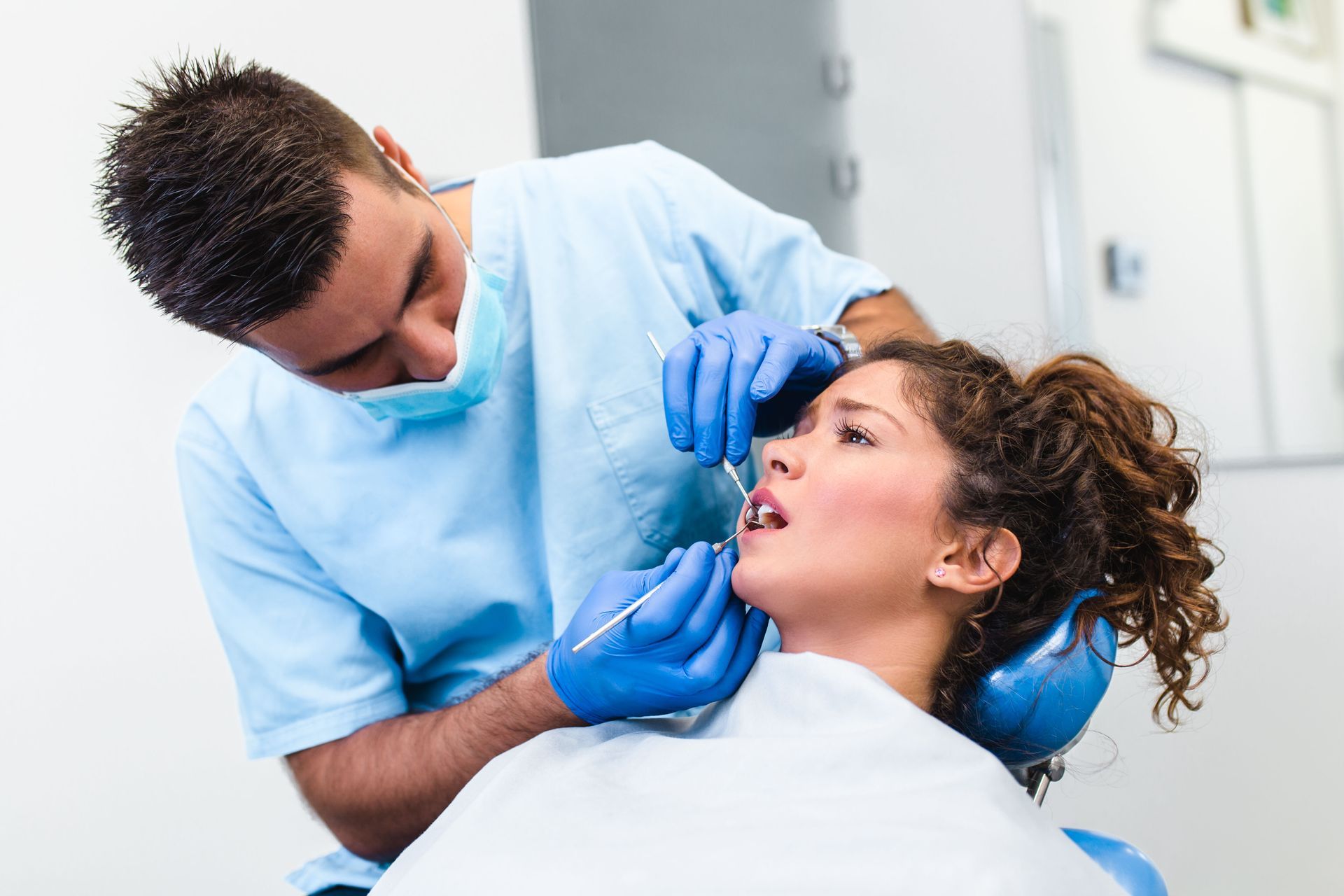
Regular dental services play a critical role in keeping harmful bacteria under control by addressing issues that daily brushing and flossing can’t fully manage. Even with good at-home habits, plaque and tartar can build up in hard-to-reach areas, allowing bacteria to thrive and trigger inflammation in the gums. Professional cleanings remove these deposits, while routine exams allow dental professionals to detect early signs of gum disease, infection, or decay before they progress.
Early intervention is especially important because oral inflammation doesn’t stay isolated in the mouth. When bacteria enter the bloodstream through infected gums or untreated dental issues, they can contribute to wider health concerns throughout the body. Neglecting oral health doesn’t just risk cavities or tooth loss; it may increase your vulnerability to systemic health problems such as cardiovascular disease, complications related to diabetes, and chronic inflammation that affects overall wellness.
2. Preventable Problems Can Become Costly Emergencies
One of the most common reasons people avoid dental care is cost. Ironically, skipping routine visits often leads to much higher expenses down the line. A small cavity that could have been treated with a simple filling may turn into a root canal, crown, or even a tooth extraction if ignored.
Preventive dental services are designed to catch issues early, when they’re easier and more affordable to treat. Routine exams, X-rays, and cleanings allow dentists to spot warning signs before pain or damage sets in. Neglecting your oral health increases the likelihood of emergency visits, which are typically more stressful, time-consuming, and expensive than preventive care.
3. Gum Disease Can Progress Without Obvious Symptoms
Gum disease is one of the most common oral health issues worldwide, yet many people don’t realize they have it until it reaches an advanced stage. In its earliest form, known as gingivitis, the condition often develops quietly and without significant pain. Symptoms may include subtle redness along the gumline, slight swelling, tenderness, or bleeding during brushing or flossing, which are changes that can seem minor or temporary and are often brushed off as normal.
Because these early warning signs don’t usually interfere with daily activities, many people delay seeking care. Over time, however, untreated gingivitis can progress into more severe stages of gum disease that damage the supporting structures of the teeth. What begins as a mild irritation can gradually lead to gum recession, persistent bad breath, and increased sensitivity, underscoring why early recognition and professional evaluation are so important.
As gum disease progresses, it can lead to gum recession, bone loss, chronic bad breath, and eventually tooth loss. At this stage, treatment becomes more complex and may require specialized dental services such as deep cleanings, periodontal therapy, or surgery. Regular dental checkups help identify gum disease early, when it can often be reversed with proper care.
4. Oral Health Affects Your Confidence and Self-Esteem
Your smile plays a significant role in how you present yourself to the world. Discolored teeth, visible decay, missing teeth, or persistent bad breath can make people feel self-conscious in social and professional settings. This can affect everything from personal relationships to career opportunities.
Maintaining good oral health supports confidence and comfort in everyday interactions. Professional dental services don’t just address functional problems. They also help preserve the appearance of your smile. Cleanings, restorations, and cosmetic treatments can improve both oral health and self-esteem, making it easier to smile without hesitation.
5. Tooth Loss Has Long-Term Consequences
Losing a tooth isn’t just a cosmetic issue. Teeth work together as a system to maintain proper alignment, support facial structure, and allow you to chew food thoroughly and speak clearly. Each tooth plays a role in distributing bite forces evenly across the jaw, and when one is missing, that balance is disrupted. Over time, this can place additional strain on remaining teeth and the jaw joints, affecting overall oral function.
When a tooth is lost and not replaced, surrounding teeth often begin to shift into the empty space. This movement can lead to bite problems, uneven tooth wear, jaw discomfort, and difficulty cleaning between teeth, which increases the risk of decay and gum disease. In some cases, tooth loss can also contribute to bone loss in the jaw and subtle changes in facial appearance, making early treatment and appropriate tooth replacement an important part of long-term oral health.
Over time, tooth loss can also contribute to bone loss in the jaw, which may alter facial appearance and complicate future dental treatments. Comprehensive dental services can help prevent tooth loss through early intervention and offer replacement options such as bridges, dentures, or implants when necessary. Neglecting oral health increases the risk of permanent damage that’s harder to reverse.
6. Chronic Oral Infections Can Affect Daily Life
Living with untreated oral health issues can quietly erode your quality of life. Tooth pain, jaw discomfort, sensitivity, and infections can make it difficult to eat, sleep, or concentrate. Even low-grade, ongoing discomfort can affect mood, productivity, and overall well-being.
Professional dental services are essential for diagnosing and resolving chronic issues before they interfere with daily activities. Addressing oral health concerns promptly helps maintain comfort and allows you to enjoy meals, conversations, and daily routines without distraction or pain.
7. Oral Health Habits Influence Lifelong Outcomes
The habits you develop around oral health often carry through different stages of life. Skipping dental visits, avoiding cleanings, or ignoring symptoms can create a pattern that leads to cumulative damage over time. Conversely, prioritizing routine care helps preserve natural teeth and oral function well into older adulthood.
Accessing regular dental services supports long-term oral health by reinforcing preventive habits and providing consistent professional oversight. As people age, maintaining healthy teeth and gums becomes even more important for nutrition, speech, and independence. Neglecting oral health earlier in life can make these later years more challenging.
Oral health is deeply connected to how you feel, function, and interact with the world. Investing in routine dental services is one of the most practical steps you can take toward long-term health. By staying consistent with care and addressing issues early, you protect more than just your smile. You protect your overall well-being for years to come. Reach out to Yellow House Dental & Implant Center today to get started with our quality care!