The human jaw is a complex framework of bone, muscle, and joints working in harmony. At the center of this movement are the temporomandibular joints, which connect the lower jaw to the skull. When these joints or the surrounding muscles experience dysfunction, a range of uncomfortable symptoms can emerge. Temporomandibular joint (TMJ) disorders can cause severe discomfort, persistent headaches, and clicking sounds during movement. These symptoms often disrupt basic daily activities such as chewing, speaking, and smiling, lowering overall quality of life. Understanding how professional dental intervention addresses these challenges is the first step toward lasting comfort.
Dental professionals specialize in the intricate mechanics of the mouth and jaw, making them uniquely qualified to handle these complex conditions. Through detailed assessments and targeted therapies, a dentist can isolate the root causes of jaw dysfunction and create pathways to recovery. Their expertise allows them to look beyond the surface symptoms to understand how tooth alignment, muscle strain, and joint health interact. By seeking professional care, individuals can access a variety of diagnostic and therapeutic options designed to restore natural function and eliminate discomfort.
1. Performing Comprehensive Physical Assessments
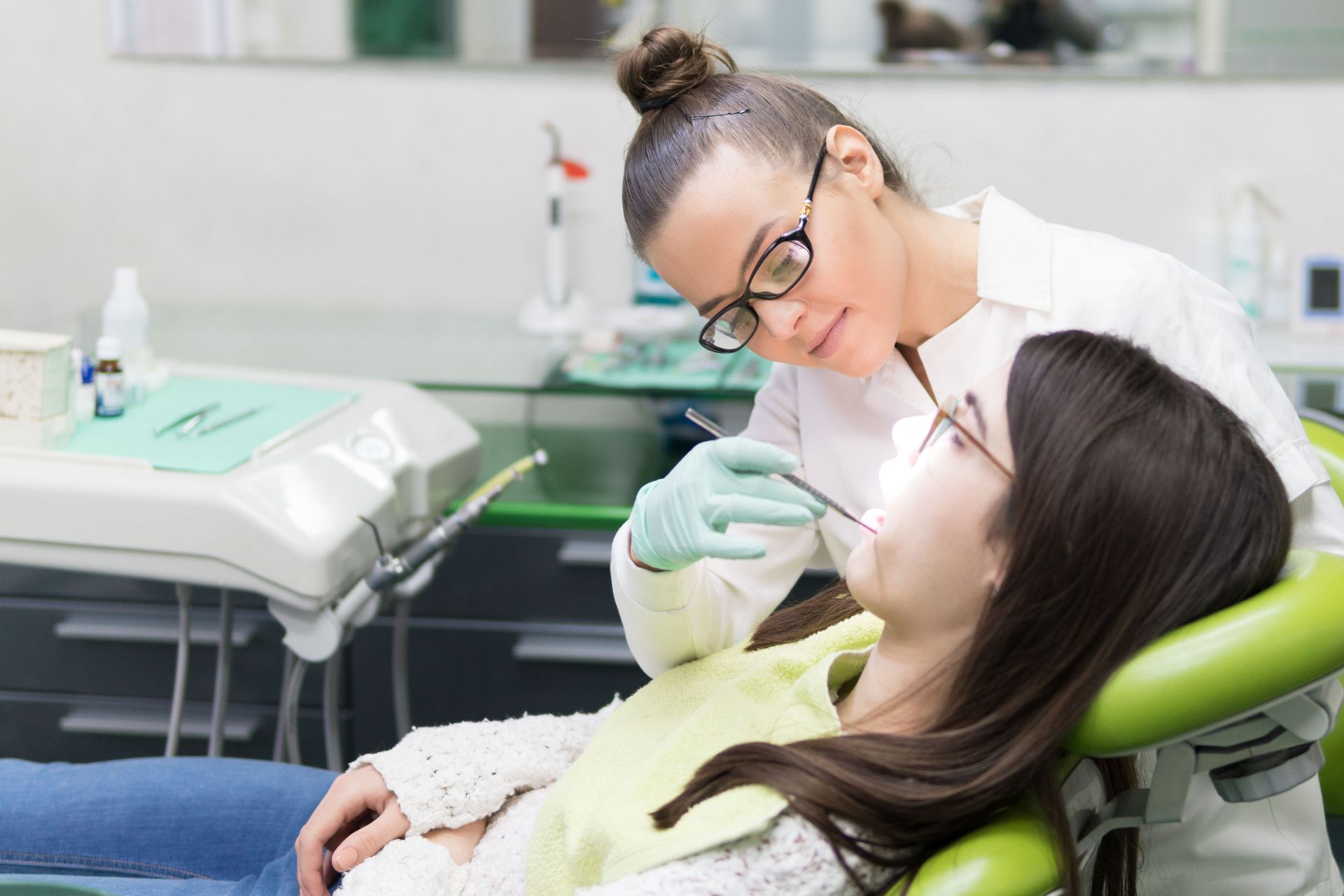
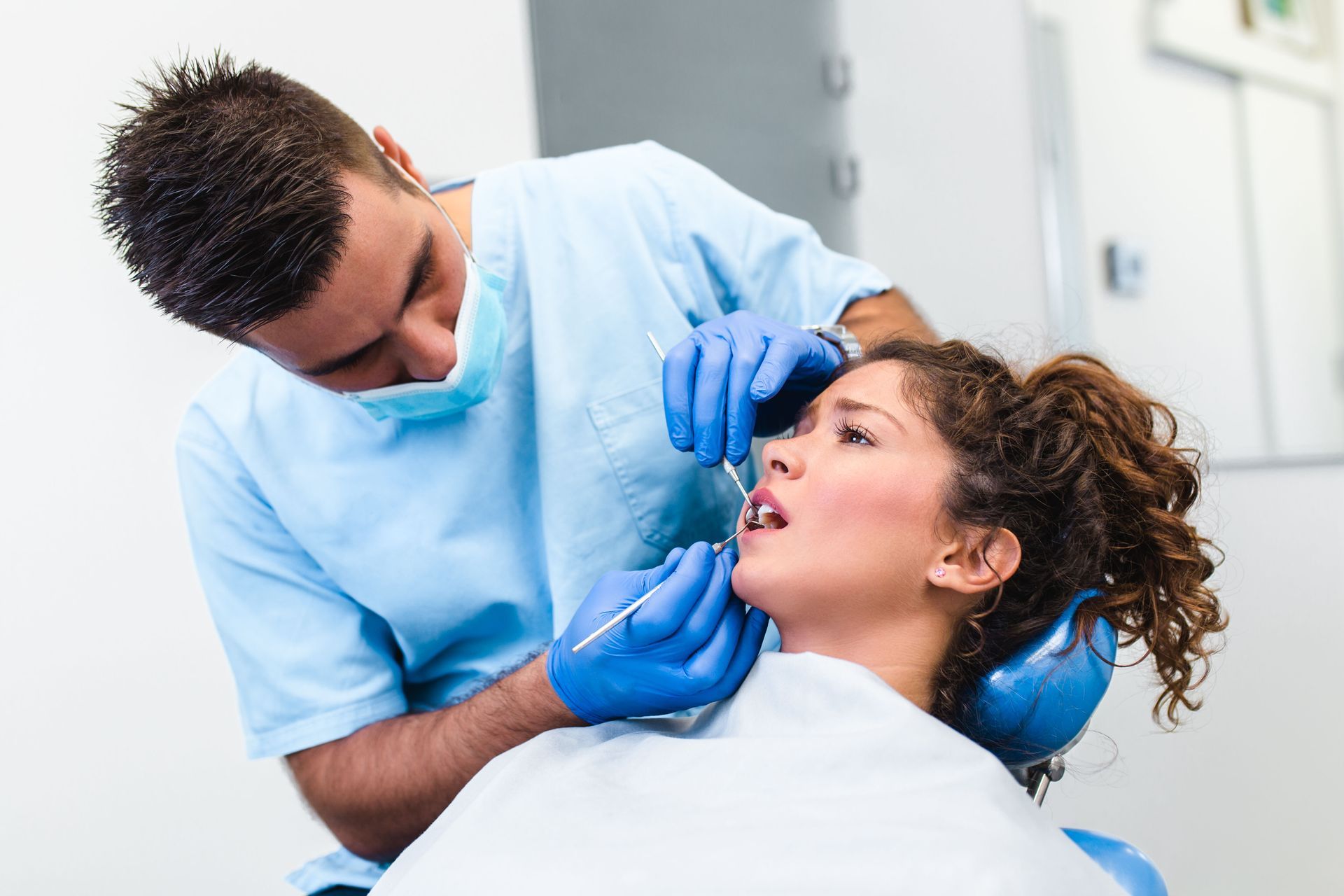
An effective clinical path begins with a thorough evaluation of the jaw structures. During the initial consultation, a dentist carefully observes the movement of the lower jaw to check for limitations or deviations. Tracking these movements helps reveal abnormal tracking patterns that contribute directly to joint strain and muscle fatigue. Clinical testing also determines if specific movements provoke pain, which points to distinct types of joint dysfunction. Identifying these physical limitations allows the clinician to map out the baseline state of the jaw before recommending a specific TMJ treatment.
Bite alignment is another critical focus area during this comprehensive assessment process. An unbalanced bite creates uneven pressure across the dental arches, which forces the jaw muscles and joints to compensate continually. Clinicians look at how the upper and lower teeth meet to identify malocclusion or subtle irregularities that disrupt natural movement. Correcting these minor bite discrepancies can take a massive amount of pressure off the joints, offering a stable foundation for long-term health. These physical evaluations provide the essential data required to build a precise, effective strategy for recovery.
2. Formulating Personalized Care Strategies
Every individual experiences jaw discomfort differently, meaning that a standard, uniform approach rarely succeeds. A provider starts the planning phase by gathering information about the frequency, duration, and specific triggers of the discomfort. This detailed history helps the clinician understand how the condition affects the patient daily. By pairing this qualitative information with clinical data, the dentist can design a highly targeted intervention path. Personalized attention ensures that every therapy directly targets the unique structural or muscular issues present in the patient.
The depth of the structural problem determines how intensive the intervention plan needs to be. Dentists assess severity through patient-reported outcomes and objective measures like range of motion or pain scores. According to The American Dental Association, one in four adults avoid smiling due to the condition of their mouth and teeth, highlighting the importance of addressing oral issues promptly. Evaluating severity accurately helps set realistic timelines and milestones for recovery. When the condition is complex, dentists often coordinate care with physical therapists or other specialists to provide a well-rounded, effective TMJ treatment.
3. Deploying Customized Oral Appliances
Removable dental appliances represent one of the most effective non-invasive options for managing jaw dysfunction. These specialized devices are custom-made to fit over the teeth, where they serve multiple therapeutic purposes simultaneously. By placing a precise barrier between the dental arches, these appliances prevent teeth from locking together and reduce muscle tension. Depending on the clinical goal, a provider might recommend a stabilization splint or a repositioning appliance.
These appliances function by absorbing and redistributing the immense forces generated by the jaw muscles. By preventing direct contact between the teeth, the appliance minimizes the impact of nocturnal grinding and clenching, protecting the joints from overnight strain. This unloading of the joint allows irritated tissues and strained muscles to rest and heal. Over time, consistent use of a properly adjusted appliance can lead to a significant drop in facial pain and a noticeable increase in jaw mobility. This approach provides a reliable, conservative TMJ treatment that avoids permanent changes to the teeth.
4. Implementing Targeted Stress Interventions
Psychological tension and physical jaw issues are often deeply linked. High stress levels frequently manifest physically as involuntary jaw clenching or nighttime teeth grinding, which places continuous pressure on the joints. Dentists recognize this connection and regularly integrate stress-reduction education into their clinical recommendations. Helping individuals recognize how emotional tension triggers physical clenching allows them to become more aware of their jaw habits throughout the day.
Clinical recommendations often include behavioral modifications designed to promote muscle relaxation and lower overall tension. Patients learn to monitor their jaw positioning, ensuring the teeth remain apart and the muscles relaxed when at rest. Providers may also connect individuals with specialized therapists who offer cognitive behavioral techniques to help manage the subconscious habits that worsen joint strain. Combining these behavioral strategies with physical dental therapies creates a comprehensive approach to healing. This dual focus ensures that both the physical symptoms and their underlying behavioral triggers are addressed during TMJ treatment.
5. Executing Structural Corrective Procedures
When underlying alignment issues continuously irritate the jaw joints, structural dental procedures may be required to bring lasting balance. These professional treatments focus on modifying how the teeth interact to establish a stable, harmonious bite. By reshaping specific surfaces or moving misaligned teeth, a provider can eliminate the interferences that force the jaw into unnatural positions. Restoring structural balance minimizes the daily wear and tear on the joint tissues, helping prevent future flare-ups.
The specific corrective path can vary depending on the nature of the misalignment. Orthodontic care using specialized aligners or braces can gradually move teeth into positions that support healthy joint mechanics. In other situations, a provider might use custom restorations like crowns to rebuild worn tooth surfaces, restoring the natural height of the bite. Every procedure is carefully planned using digital models to ensure the new bite distribution relieves joint pressure. These precise dental corrections serve as a foundational TMJ treatment for patients requiring permanent structural stabilization.
6. Providing Systematic Maintenance Care
Achieving initial relief from jaw discomfort is a major milestone, but maintaining that progress requires consistent clinical oversight. Regular follow-up appointments allow the dental team to evaluate the healing process and check the condition of the joint structures. During these visits, the clinician checks the fit of oral appliances and monitors changes in jaw mobility. These routine checks make it easy to spot minor shifts in the bite before they cause a return of painful symptoms.
These maintenance appointments also give providers a chance to reinforce positive habits and adjust therapies as the jaw heals. As muscle tension decreases, an oral appliance may require minor adjustments to maintain its therapeutic benefits. Patients also receive guidance on proper jaw exercises and long-term joint protection strategies to prevent future injuries. Keeping up with these routine clinical visits ensures that the jaw joints remain stable, functional, and free from discomfort.
Managing jaw discomfort effectively requires a deep understanding of dental anatomy and joint mechanics. Dental professionals provide the specialized assessment, targeted oral appliances, and long-term maintenance strategies necessary to resolve complex joint issues. Taking a comprehensive approach to these disorders ensures that both structural misalignments and muscular strain are resolved. Professional guidance helps individuals avoid chronic discomfort, modernizing their path to oral wellness. If jaw pain or clicking limits your daily life, prioritizing an expert evaluation can make a profound difference. Contact Yellow House Dental & Implant Center today to schedule your consultation and discover a lasting TMJ treatment tailored to your life.